
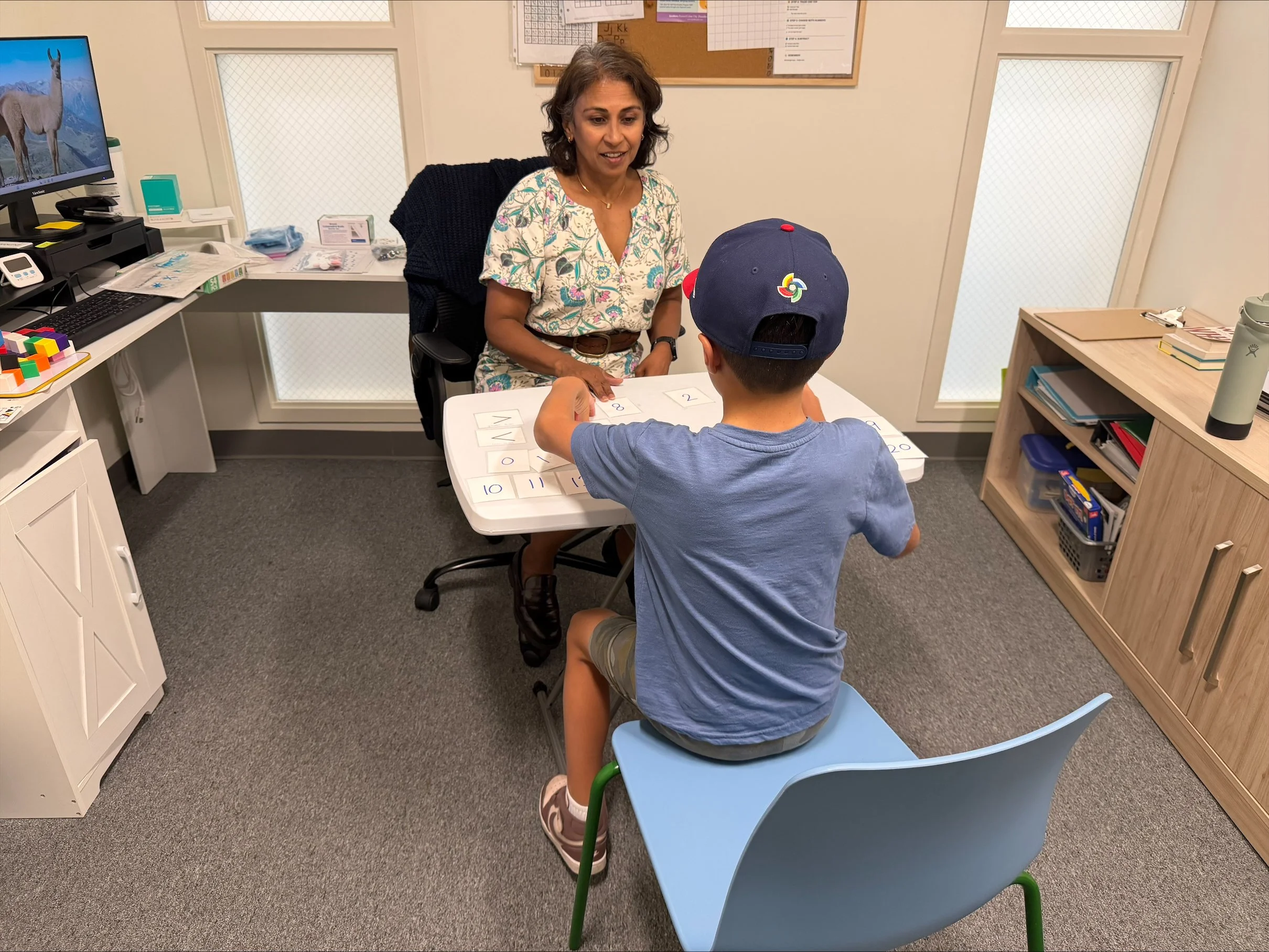



Educational Therapy
We provide individualized support in reading, writing, math, and executive functioning skills for students with a wide range of learning differences and disabilities.
Our team works with children who may be impacted by dyslexia, dysgraphia, dyscalculia, ADHD, autism, and other challenges that affect learning and academic success.

What Families Are Saying
Diagnosis
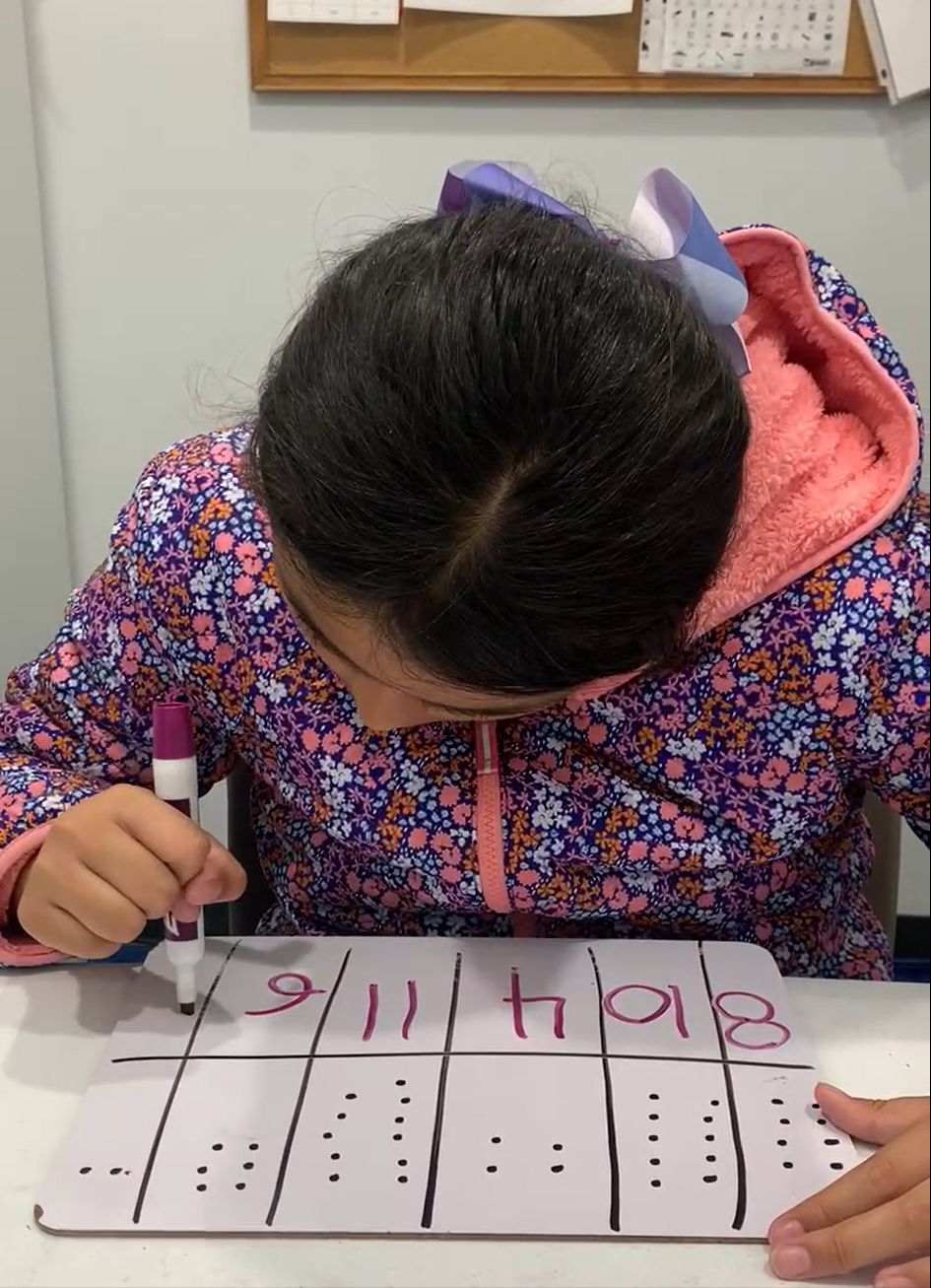
Learning differences can affect reading, writing, math, attention, and confidence, and they are often misread as a lack of effort. Understanding what is really going on is the first step toward the right support.
-
If your child has fallen behind in a subject due to a gap or absence, a tutor may be enough. If your child works much harder than peers for the same results, struggles despite tutoring, or has a diagnosed learning difference, educational therapy is often the better fit because it addresses the underlying cause.
-
Signs worth paying attention to include trouble learning to read or spell, challenges in recall and sequencing events, avoiding reading or writing, difficulty with math concepts, trouble staying organized or finishing work, taking far longer on homework than expected, or growing frustration and low confidence about school.
-
It depends on your child's individual needs. Research and our own clinical experience point to a general pattern: when a child is one year behind and has mild-to-moderate challenges, it typically takes up to two years of one-on-one intervention, four to five times a week, one hour per session, to close the gap. As with any remediation, starting sooner and working more frequently produces better results - progress tends to build on itself, creating a "snowball" effect where early gains accelerate later ones. Our minimum recommendation is two sessions a week; below that frequency, progress is significantly slower and harder to sustain. We understand that every family has to make the decision that works best for them.
-
Because therapists have to go back and uncover the missing foundational skills, then target them systematically - this is precisely where educational therapists specialize. A child's processing speed, memory, motivation, and attention all affect the pace of progress, as does the frequency of sessions and the level of collaboration between home and school.
-
No. Our expertise is helping your child fill the specific gaps holding them back. Homework is often pitched above a child's current level - it may involve a concept they aren't yet ready for, built on underlying skills they're still missing, which is often exactly why they're struggling with it. In rare cases, we may incorporate homework material if it fits the day's lesson plan, but homework support is best handled by a tutor.
-
Yes. This is another area where educational therapists bring real expertise - knowledge of the law and of what a child should be able to do at each grade level. We can consult with you to review whether proposed goals are appropriate for your child's specific challenges and advise on next steps. We're also able to attend IEP meetings directly to offer recommendations, share what has worked in the clinical setting, and demonstrate which accommodations are likely to be most effective.

What We Offer
Our evidence-based intervention strategies incorporate multisensory approaches designed to meet each student's unique learning needs. Through data-driven instruction, we target specific skill areas and continuously monitor progress to ensure meaningful growth and lasting results.
We collaborate closely with classroom teachers, families, and other professionals to support effective accommodations, promote consistency across environments, and help students generalize their skills beyond therapy sessions. In addition, we provide educational assessments, consultations, and personalized recommendations to help families make informed decisions about their child's educational program and long-term success.

What to Expect
From Evaluation to Progress
Getting Started
We begin by understanding how your child learns, using any evaluations you already have and gathering input from you and other professionals and teachers working with your child, with your consent. Then we do our own assessments to build an individualized plan that targets the real challenges.
Therapy
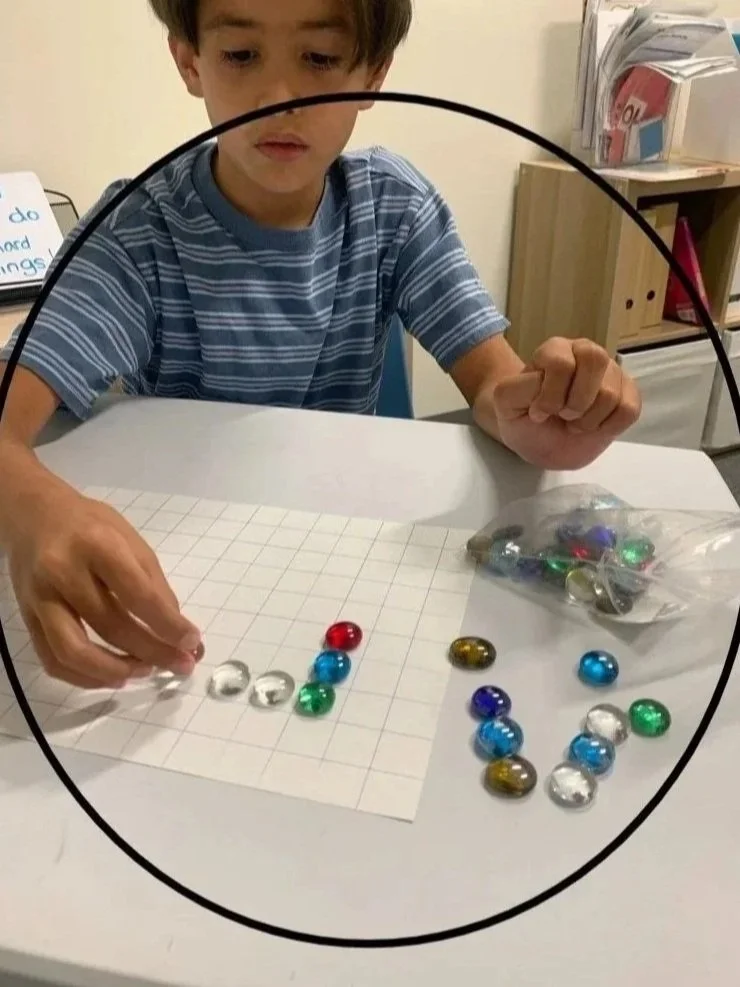
One-on-one sessions target the root of the difficulty using research-based, multisensory methods, while building the executive function skills, strategies, and confidence your child needs. Specific goals will be created to target deficits. Your educational therapist can collaborate with any other professionals working with your child under your direction.
Progress
We monitor skills over time and adjust the approach as your child grows, with the goal of an independent, confident learner, not just a better grade on the next test. You will be given data on the progress and it will open transparent communication.
Ready to Help Your Child Thrive?
-
Educational therapy is a specialized intervention that targets the underlying cognitive and learning processes affecting academic performance - such as working memory, processing speed, attention, organizational skills, and executive functioning. Unlike subject-specific tutoring, educational therapy addresses the root causes of learning difficulties and embeds executive functioning skills development throughout the intervention, equipping children with strategies they can use across all subjects and areas of life throughout their education.
-
Educational therapy is well-suited for children with dyslexia, dysgraphia, dyscalculia, ADHD, language-based learning disabilities, executive functioning challenges, and other learning differences. It is also beneficial for children who are underperforming academically without a formal diagnosis, as well as those who struggle with organization, time management, task initiation, planning, or self-regulation. A thorough assessment will clarify the child's learning profile and determine the most effective approach to support their success.
-
Educational therapy is generally not covered by standard health insurance, as it is classified as an educational rather than a medical service.
-
Yes - and the combination is often very effective. Language, processing, sensory, and attentional challenges frequently occur together and affect learning in overlapping ways. Our team communicates across disciplines to ensure that therapeutic strategies are aligned and mutually reinforcing.
-
Sessions are fully individualized and may include activities targeting phonological awareness, reading fluency, spelling, writing organization, math strategies, executive function, and study skills. The educational therapist uses evidence-based approaches matched to your child's specific learning profile while building a strong, supportive relationship.
-
Educational therapists typically have advanced training in the neuroscience of learning, clinical assessment, and evidence-based intervention methods. They use research-based, multisensory curricula and instructional approaches-such as Orton-Gillingham, Lindamood-Bell, Wilson Reading System, and other structured literacy programs-to address specific learning needs and strengthen foundational cognitive and academic skills. Educational therapists work outside the school system, providing more intensive, individualized support than is often possible in a classroom setting. Educational therapy and school-based support work best when they complement each other.
-
No formal diagnosis is required to begin. If your child is struggling academically and you are not sure why, an educational therapist can assess their learning profile and recommend next steps. A diagnosis, if present, helps guide the intervention - but it is not a prerequisite for getting started.
-
Duration varies depending on the complexity of your child's learning profile, the severity of their learning challenges, and their individual goals. While many families see meaningful progress within one academic year, research and clinical experience show that children who are several years behind academically often require consistent, intensive intervention multiple times per week for effective remediation. Depending on the child's needs, meaningful remediation may take one to three years or longer. Progress is typically faster when intervention is delivered consistently and with sufficient frequency; less frequent or inconsistent sessions may still provide support but generally result in slower gains.
Frequently Asked Questions

Meet Our Educational Therapy Director
-
![SLEA Therapies Educational Therapy Director.]()
Gayoshi
M.A. in Special Education - Educational Therapy Specialization
Director of Educational Therapy
